The Charm of Handwritten Notes: Why Vintage Stationery Still Matters
In an age where thumbs dance across glass screens and messages vanish with a swipe, the simple act of putting pen to paper feels almost revolutionary. Vintage stationery—those creamy envelopes edged in gold, deckled cards scented faintly with decades of attic air, fountain-pen-friendly sheets embossed with forgotten crests—carries more than ink. It carries intention. A handwritten note is a quiet rebellion against the ephemeral, a tangible artifact in a world of pixels. For collectors, stylists, and anyone craving authentic connection, these relics from bygone eras are not mere paper; they are portals to slower, more deliberate living.
The Weight of Paper
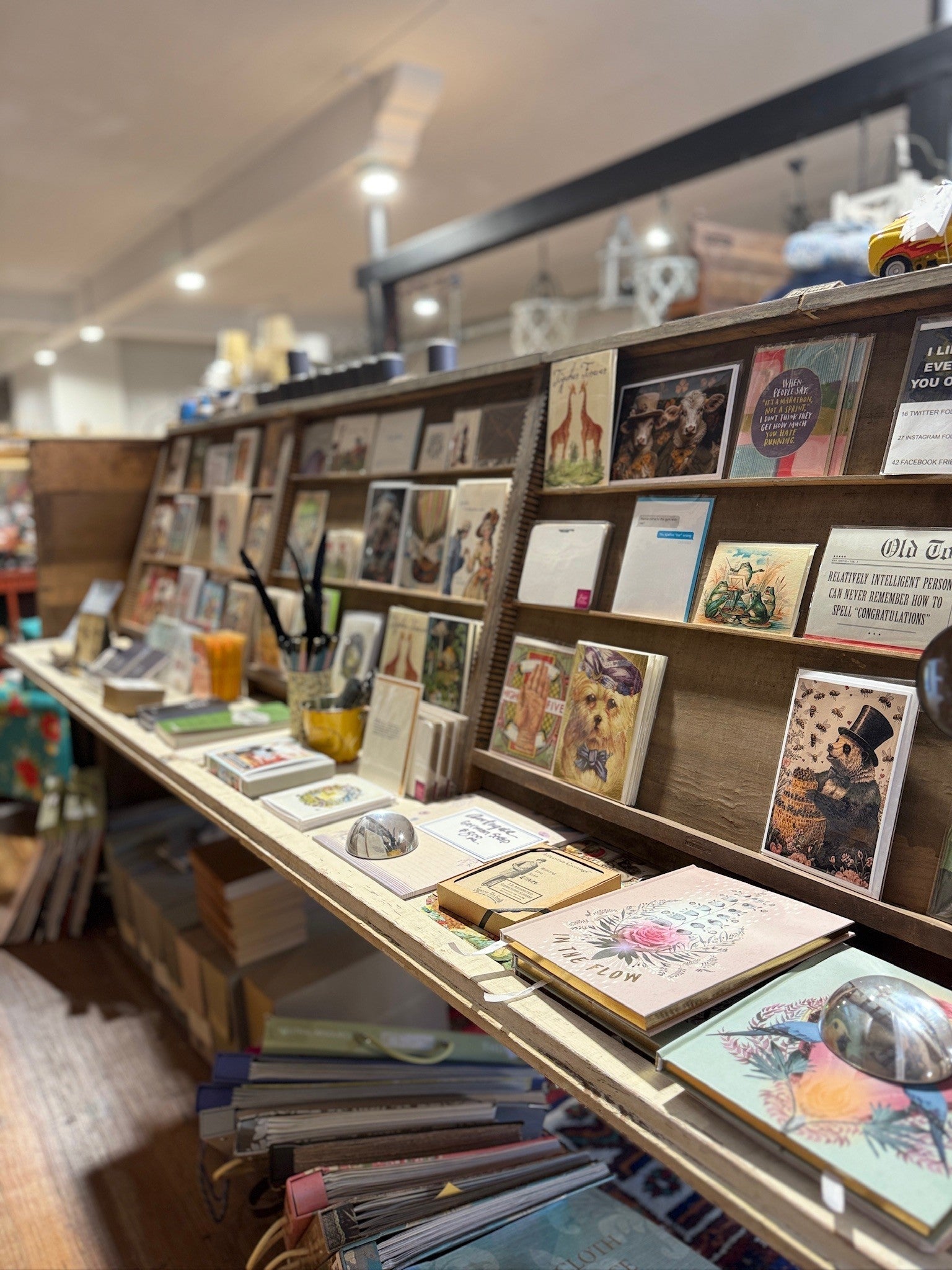
Walk into any brick-and-mortar boutique specializing in antiques and bohemian treasures, and you’ll likely find a corner dedicated to stationery. Crane & Co. letterheads from the 1960s, Art Deco correspondence cards with scalloped edges, mid-century aerograms never mailed—these pieces whisper stories. Their heft is immediate. Unlike the feather-light receipts spat from thermal printers, vintage paper has substance. Rag content, cotton fibers, and laid finishes give each sheet a texture that begs to be touched. Hold a 1920s monogrammed notecard to the light, and you’ll see watermarks like secret signatures from the mill.
This physicality matters. Neuroscientists have found that the motor act of handwriting engages the brain differently than typing. It activates regions tied to memory and learning, making the words more likely to stick—for both writer and recipient. When you seal a wax-stamped envelope, you’re not just sending information; you’re crafting an experience. The recipient breaks the seal, unfolds the paper, and inhales the faint scent of history. That sensory ritual is absent in a DM.
Nostalgia as Currency
Why does a 1950s Hallmark card with faded violets command $12 in a curated shop when a drugstore equivalent costs pennies? Nostalgia, yes—but also rarity. Mass production of greeting cards exploded post-World War II, yet many of those early runs were printed on high-quality stock with hand-engraved plates. Today, those plates are gone, the paper mills shuttered. What remains are finite treasures.
For bohemian aesthetes, vintage stationery aligns with the ethos of slow fashion and mindful consumption. Pair a 1970s floral notecard with a silk ribbon and a sprig of dried lavender, and you’ve created a gift that outshines any mass-produced box. Interior stylists use these pieces as props in coffee-table vignettes: a stack of monogrammed envelopes tied with twine beside a leather-bound journal and a brass magnifying glass. The tableau screams curated, not cluttered.
Modern Rituals, Vintage Vessels
The beauty of vintage stationery lies in its versatility. It doesn’t demand you abandon technology—it invites you to elevate it. Consider the hybrid thank-you note: draft your message in a notes app, then transcribe it onto a 1940s deckle-edge card with a glass dip pen. The recipient receives both the efficiency of your thoughts and the luxury of your handwriting.
Wedding Invitations with Soul
Couples seeking alternatives to digital RSVPs are turning to vintage-inspired suites. Imagine save-the-dates printed on 1920s-style cotton paper, addressed in copperplate calligraphy, and mailed in glassine envelopes. The tactile invitation sets the tone: this won’t be a cookie-cutter event. Stationers now offer “vintage remix” services, blending antique stocks with modern foil stamping for a look that’s neither fully retro nor fully contemporary.
Corporate Gifting, Rehumanized
Forward-thinking brands use vintage notecards to cut through email noise. A luxury real estate firm might send closing gifts on 1960s Crane letterhead, each note handwritten by the agent. The paper’s patina signals permanence in an industry of fleeting transactions. Recipients frame these notes—something they’d never do with a PDF.
Personal Branding for Creatives
Artists and influencers curate “deskscapes” featuring antique blotters, sealing wax, and correspondence cards. These images perform well on visual platforms, where authenticity trumps polish. A single photograph of a half-written letter beside a vintage typewriter can garner thousands of saves—proof that nostalgia sells.
The Art of the Note Itself
Content matters as much as canvas. Vintage stationery inspires brevity and grace. The limited real estate of a notecard discourages rambling. Suddenly, “Thank you for the lovely dinner” becomes “Your risotto transported me to Emilia-Romagna—grateful for the magic.” The constraint breeds poetry.
Try these prompts on your next blank vintage card:
- Gratitude Micro-Stories: “The scarf you gifted me caught the light on the subway—three strangers smiled. Thank you for the ripple.”
- Future Promises: “When the peonies bloom, coffee at mine. Mark your calendar.”
- Sensory Postcards: “This card smells faintly of cedar from the shop’s back room—thought you’d appreciate the ghost scent.”
Sourcing and Care
Finding quality vintage stationery requires patience. Estate sales, flea markets, and specialized boutiques are goldmines. Look for:
- Paper Condition: Avoid foxing (brown spots) unless you love the patina. Store in acid-free sleeves.
- Envelope Integrity: Gummed flaps should seal without crumbling. Test with a damp sponge.
- Provenance: Cards with postmarks or original ink fetch higher prices but offer richer stories.
At home, keep your collection in archival boxes away from direct sunlight. Use a bone folder for crisp creases, and invest in a good fountain pen—vintage paper loves the flow of iron gall or walnut ink. For display, float-frame a favorite piece behind UV glass; the shadows cast by deckled edges create art in themselves.
The Future of Analog
Will handwritten notes survive another generation? Data suggests yes—among those who can afford the time. The global stationery market, including premium and vintage segments, is projected to grow steadily through 2030, driven by demand for “offline luxury.” Gen Z, often stereotyped as screen-addicted, is leading a pen-pal revival via apps like Slowly, where messages travel with simulated postal delays. Many users print arrivals on vintage-style paper for the full effect.
In a world racing toward voice notes and neural implants, the handwritten note stands as resistance. It says: I paused my life to craft this for you. Vintage stationery amplifies that message with texture, scent, and history. Whether you’re styling a sideboard, setting a bohemian table, or simply thanking a friend, these paper relics remind us that some things are too precious to digitize.
Next time you pass a display of antique cards, pick one up. Feel its weight. Imagine the conversations it could hold. Then buy a stamp—yes, they still exist—and send a piece of yourself into someone else’s mailbox. In a century, your note might be the vintage treasure someone cradles, wondering about the life behind the ink.